Spring Irrigation System Checklist for Phoenix Homeowners
Spring in Phoenix arrives fast, and your landscape feels it first. Use this spring irrigation system checklist for Phoenix to understand what a trained technician reviews so your yard is ready for rising temps, dust, and long sunny days. If you prefer a pro-led visit, schedule dedicated irrigation maintenance in Phoenix with Iron Mountain Irrigation and head into summer with confidence.
Our desert climate does not require winterization like colder states, but spring is still the best time to verify performance before the first triple-digit week. A thorough tune-up protects mature shade trees, citrus, and desert-adapted shrubs while trimming water waste in neighborhoods from Arcadia and Desert Ridge to Ahwatukee, Biltmore, and Glendale.
What Phoenix Spring Means for Your Irrigation System
March through May brings longer days, shifting winds, and rapid temperature swings. Those changes stress older valves, expose tiny leaks, and magnify coverage gaps that were easy to miss in winter light. Hard water can also leave mineral buildup that narrows flow and throws spray patterns off target.
Spring service focuses on reliability and efficiency. Your technician confirms that every zone starts cleanly, waters evenly, and shuts down on time so beds do not pool and turf does not develop dry crescents along sidewalks and curbs.
Your Professional Spring Irrigation Checklist
This is a behind-the-scenes look at what a qualified irrigation specialist inspects during a spring tune-up in Phoenix. It is not a DIY guide. The goal is to help you know what to expect and what questions to ask.
- Controller review to confirm seasonal programs, correct run times, and working sensors.
- Valve and manifold check for cracks, slow leaks, and reliable electrical response.
- Zone-by-zone run test to verify pressure, start-up, and even coverage at the furthest heads.
- Nozzle and head assessment to correct tilt, height, and spray pattern so water lands on plants, not pavement.
- Drip line inspection around beds and trees to spot clogged emitters and pinched tubing common in clay-heavy soils.
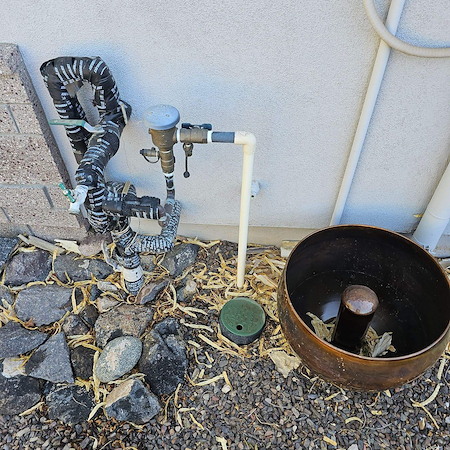
- Backflow and connections review to help safeguard water quality and stable pressure.
- Documentation of findings with clear next steps, upgrades if needed, and a plan for pre-summer follow-up.
Ask your tech to note any areas where plant growth or new hardscape has changed sun exposure or wind patterns since last year. Small layout tweaks now often prevent bigger fixes in July.
Sprinkler Zones: Coverage, Pressure, and Efficiency
Even watering is everything before summer. A technician will check head-to-head coverage, confirm matched precipitation, and look for overspray that mists into the street or onto walls, especially along south- and west-facing edges that heat up fastest. If your turf areas need design help, explore how sprinkler systems are planned for consistent distribution and water savings across the Valley.
Do not ignore persistent misting or fine spray on breezy afternoons. It usually signals pressure issues or worn nozzles that waste water and leave hot spots near driveways and sidewalks.
Drip Irrigation in Beds and Tree Wells
Drip is the workhorse for Phoenix plants. Spring checks focus on clogged emitters, crushed tubing near footpaths, and mismatched output in new beds. In our clay-rich soils, slower delivery helps water soak instead of running off the surface.
When a tune-up flags chronic dry zones or frequent clogging, your tech may suggest layout adjustments or filtration. For bigger plant beds, learn how drip irrigation systems support deep, steady moisture that strengthens roots before summer heat.
Smart Controllers and Seasonal Scheduling for Phoenix
Weather-based controllers can trim watering automatically when temperatures dip or a spring storm drifts through. They also reduce runtime as days get hotter, which sounds backward but often improves absorption by splitting watering into shorter cycles that actually soak in.
Curious what features matter here in the Valley? See the local pros and cons of app control, flow monitoring, and zone-by-zone adjustments in our article on smart sprinkler controllers. A technician can align those tools with your landscape so turf, citrus, and desert shrubs each get what they need without waste.
Hard Water, Dust, and Monsoon Prep
Phoenix hard water leaves deposits that slowly choke emitters and foul filter screens. Dust from dry stretches can lodge inside nozzles and fittings. Spring is the right time to clean, replace, and baseline performance so you are not guessing when the first big wind event arrives.
Looking ahead, monsoon season can shift heads, flood valve boxes, and knock programming off track. Building a schedule with a late-spring review and a quick post-storm check keeps coverage stable through July and August. Mineral buildup and storm debris are silent water wasters because they change flow where you cannot see it.
Neighborhood Notes Across Phoenix
Local microclimates matter. In Arcadia and Biltmore, mature trees often expand shade faster than expected, which calls for shorter turf cycles and deeper, less frequent drip for beds. In Ahwatukee and Desert Ridge, slopes and decomposed granite can speed runoff, so distribution needs careful tuning where turf meets gravel. North and West Phoenix neighborhoods exposed to afternoon winds benefit from earlier run times and high-efficiency nozzles that resist drift.
Each yard is unique, yet the spring priorities are the same. Get even coverage, fix small leaks early, and confirm that plant types still match zone settings.
Red Flags That Tell You to Book Service Now
- Brown arcs at sidewalk edges, especially on south- and west-facing turf.
- Unusual mist or spray drifting into the street on breezy mornings.
- Puddling near walkways while nearby beds look dry.
- Zones that start late, stop early, or skip days.
- Water bills rising faster than the same month last year.
Small leaks turn into big bills when the heat arrives. Spring appointments fill quickly because many homeowners tune up right before overseeding or summer travel, so plan ahead.
How Often Pros Recommend Maintenance in Phoenix
Routine professional care helps your system keep up with fast-changing conditions. Many Phoenix landscapes benefit from a spring tune-up plus a late-summer or early fall review. If you want a deeper dive on timing, read our guidance on how often to inspect your irrigation system so you can match service to your yard’s needs.
Between visits, keep an eye on visual cues like overspray onto hardscape, soggy corners, or fading plants near curbs. Your technician can translate those clues into adjustments that save water and protect plant health.
Upgrades That Pay Off in Our Climate
Some homes are ready for more than a tune-up. High-efficiency nozzles improve distribution in wide turf areas, while pressure regulation balances zones at the recommended operating range. Flow sensors and leak alerts add protection when you are away, which is helpful during summer trips or holiday weekends.
For older drip systems, updated filters and pressure regulators help fight mineral buildup. In mixed landscapes, a hybrid approach that pairs efficient rotors for turf with drip in beds often delivers the best results with the least waste.
What to Expect From a Visit With Iron Mountain Irrigation
Your technician will arrive with a clear checklist, run every zone, and document findings with photos and plain-language notes. You will get prioritized recommendations that focus on reliability, plant health, and water savings, not upsells you do not need.
Many homeowners in Paradise Valley, Glendale, and Peoria appreciate having settings explained in everyday terms. That way, you understand what the system is doing and when a follow-up check makes sense as summer approaches.
Ready to Get Your Yard Spring-Ready?
If your landscape needs a dependable tune-up, book professional irrigation maintenance with Iron Mountain Irrigation today. A focused spring visit tightens coverage, cuts waste, and sets up healthy growth before June heat. You can also explore our spring irrigation system checklist in Phoenix resources on our home base to see how planning, parts, and scheduling work together across your property.
Want help with design or upgrades while we are on site? We can align recommendations with your goals and, when it fits, reference proven solutions from our sprinkler systems team. For a start-to-finish service plan that keeps everything humming through summer and into fall, reach us at 602-721-7257 and we will find a time that works for your week.
Your spring appointment is the simplest way to protect plants and your water bill. Call Iron Mountain Irrigation at 602-721-7257 to schedule, or learn more about our seasonal approach at our irrigation maintenance page so your Phoenix yard is ready for the months ahead.